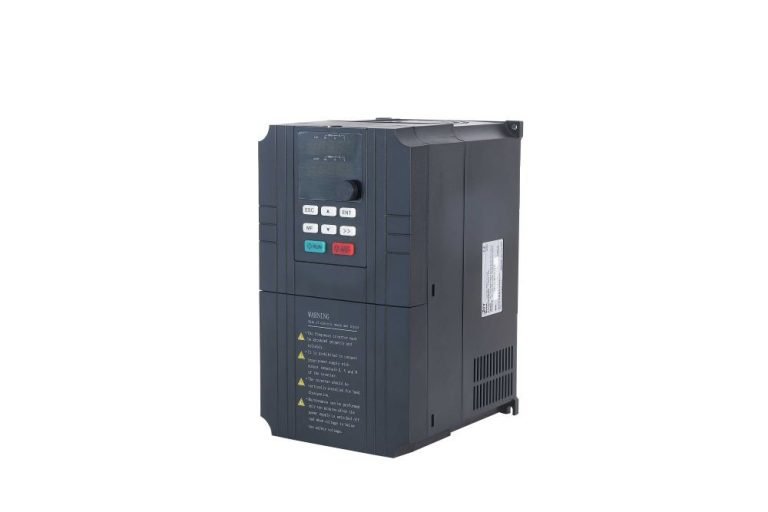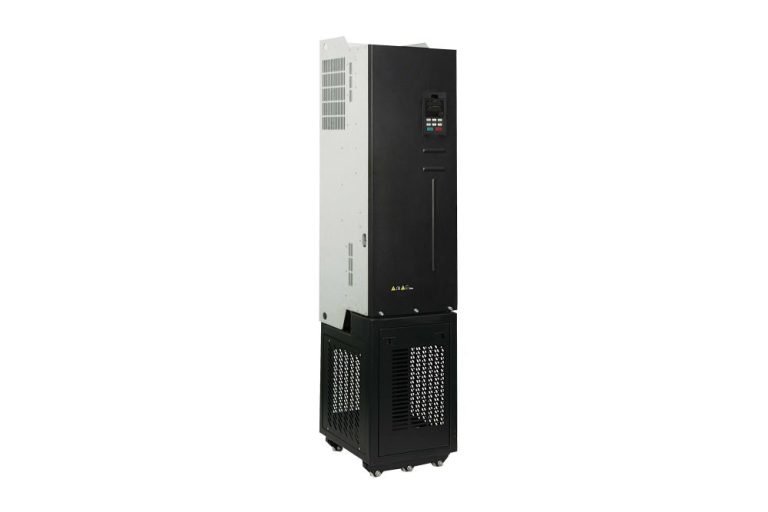
Before installing or operating the low – voltage soft starter, thoroughly read and understand the low – voltage product manual. Only professionals are permitted to install, debug, repair, and maintain the soft starter. Installation and maintenance operations must strictly adhere to relevant national standards and industry practices in the low – voltage product manual. Otherwise, the manufacturer will not be held accountable for any adverse consequences resulting from non – compliance with known specifications.
Before servicing or maintaining the soft starter, disconnect all power inputs. After installation, conduct a meticulous check to ensure no parts (such as screws, washers) have fallen into live components.
Low – voltage Soft Start Installation Precautions
For cooling, the soft starter must be installed vertically. Ensure sufficient space during installation for good heat dissipation. The main circuit should have top – in and bottom – out wiring, and the wire must have sufficient current – carrying capacity.
High – voltage Safety Precautions
Utilize the information in the high – voltage product manual in conjunction with workplace safety procedures. Everyone is responsible for working safely and complying with local laws and site regulations. Ensure the work area is hazard – free. Evaluate risks, make a list, and discuss with relevant personnel. Know how to quickly contact emergency assistance. Installation and maintenance operations must strictly follow high – voltage product manuals, national standards, and industry practices. Otherwise, the manufacturer will not be responsible for any negative consequences of non – compliance. Before servicing the soft starter or motor, disconnect all power inputs. After installation, carefully check that no parts have fallen into live parts.
High – voltage Installation Precautions
Installation work must be carried out by qualified personnel under proper supervision. Both compressed air and electricity are extremely dangerous. Before working on the compressor, ensure power is off and pressure is unloaded. The installation of the heat recovery system must comply with recognized local health, safety, water, and plumbing standards. The installation operator or customer is responsible for any connections/components (other than the compressor) used to control the flow, temperature, and pressure of the inlet or outlet water of the heat recovery system.
This product should be installed in a location free of obstacles and dangerous objects during operation and maintenance, with clear indication signs always visible. If placed on a high platform, it must not interfere with normal operations or block access. Platforms and stairs should be of grid or slab structure, with safety guardrails on all open surfaces.
Similar Posts
Installation Precautions for Low voltage Frequency Inverter
I. Safety Precautions 1. Installation must be performed by professional electrical personnel with electrical expertise, familiarity…
Installation Precautions for High voltage Frequency Inverter
1.1 Safety Precautions Before electrical wiring, equipment operation, inspection, and maintenance, thoroughly read this manual to…